


July 2026
In the Pader District of northern Uganda, early pregnancy is one of the greatest barriers preventing girls from completing their education.
Currently, around one in four girls in the area will fall pregnant as a teenager. For many girls, this means dropping out of school and never returning.
The causes are complex and interconnected, but poverty, gender inequality and gaps in child protection and safeguarding sit behind many of the pressures that put girls at risk. These factors can increase girls’ vulnerability to exploitation, early marriage and dropping out of school, while shame and discrimination often make it even harder for those who become pregnant to return to education.

WHAT WE’VE DONE
Since 2023, we’ve been working with our local partner Oasis Pader to deliver our Child Rights Program across eight primary schools in Latanya and Porogali Sub-Counties. This is a three-year, community-based model designed to strengthen child protection, improve school retention, and create safer environments for vulnerable children, particularly girls.
At the centre of the program are Child Rights Clubs. These are safe spaces in schools where children learn about their rights, build confidence, and support one another. With guidance and supervision from trained mentors and Oasis Pader’s team, club members also help raise awareness in the wider community, speaking to other children, parents and guardians about girls’ rights, child protection, early pregnancy and the importance of staying in school.
Community action groups, teachers, religious leaders and local authorities work alongside the clubs to identify vulnerable children and respond to safeguarding concerns to ensure children can access the support they need, and prevent dropouts.
We pair this work with our Village Investors Program (VIP), a community savings-and-loans model that helps parents and guardians build more stable household incomes. Over the past year, 12 new VIP groups involving 360 caregivers of children attending the eight schools received training in financial literacy, savings, business development and child protection.
Many groups also contribute to OVC (Orphans and Vulnerable Children) funds, which cover school materials, uniforms and other costs for the most vulnerable children. This support is vital because poverty is one of the biggest drivers of school dropouts, child marriage and early pregnancy.
THE IMPACT
Three years on, here’s how the eight schools compare to before we started, using latest annual data compared to baseline data collected before our involvement:
- A drop in recorded child pregnancies from 313 to 53 cases
- An increase in school attendance by 61%
- Grade 1 enrolment rose by 91%
- Dropout rates fell by 81%
That means that this year alone, 260 girls have been protected from early pregnancy and have been able to stay in school as a result.
Caregivers in VIP groups have also used loans and business training to diversify household income away from unstable subsistence farming, meaning more families are able to keep their children in school.
Reflecting on the progress made across the eight schools, Sheila Kengingo, WeSeeHope’s Uganda Manager, said:
“When we started this program, seeing 313 recorded pregnancies a year across just eight schools was very alarming. Three years on, that number is 53, and behind every one of those prevented cases is a girl who’s still in her classroom instead of out of it.
Favour’s story below is one we hear more and more now; a girl who could easily have been lost to the system, but wasn’t, because someone was watching out for her. That’s what this program is all about”.
PROTECTING GIRLS THROUGH COMMUNITY ACTION
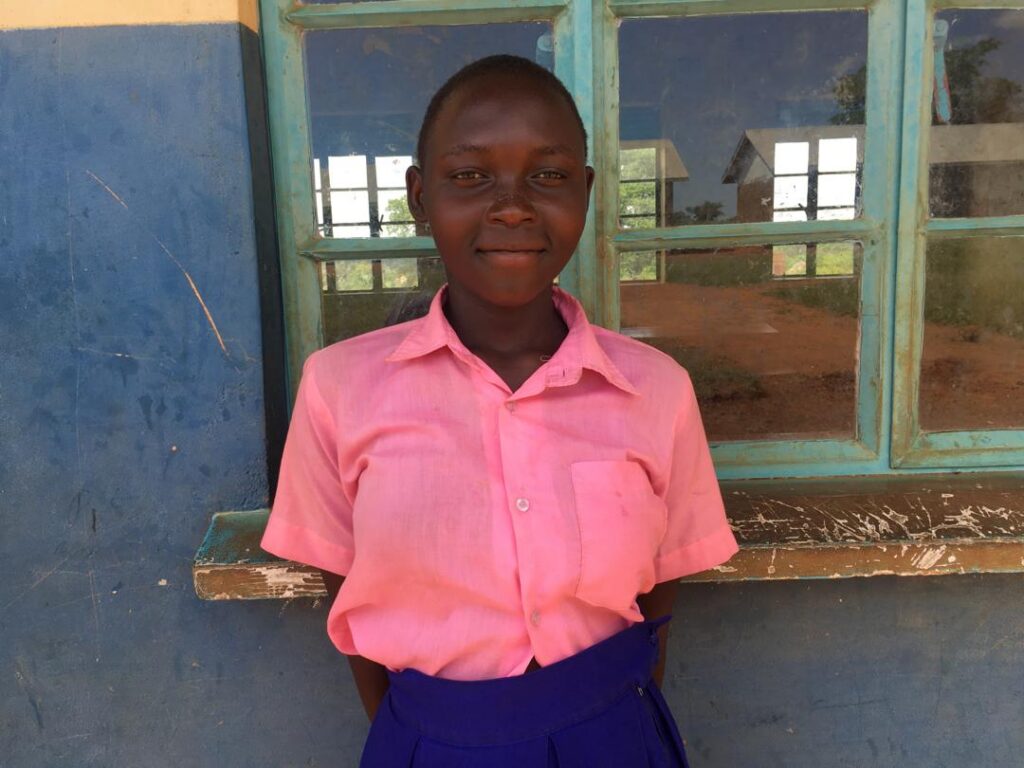
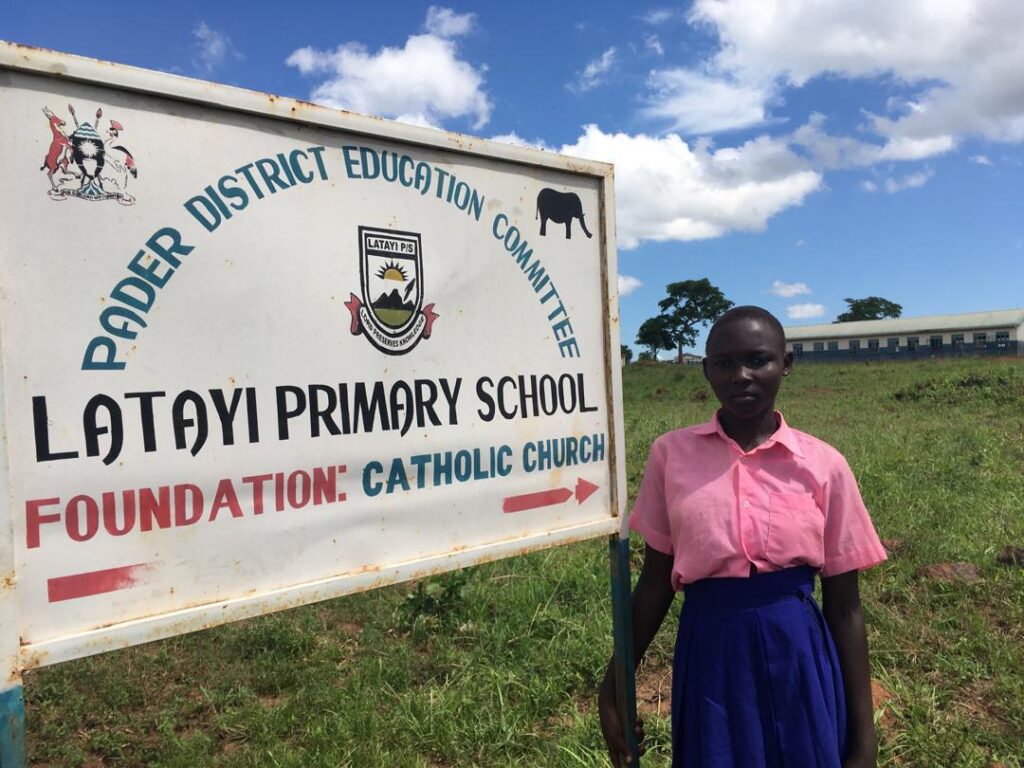
For 16-year-old Favour, the Child Rights Program stepped in when she needed it most.
After facing significant challenges at home and being forced out of education, Favour was placed in an unsafe situation away from her community. When concerns were raised, Josephine, a member of the Community Action Group linked to Favour’s school, worked with others to help bring her back to safety and support her return to education in 2025.
Since then, Favour has received counselling and school fees support from the club and her school.
“The support I have received has given me hope,” Favour says. “Josephine has given me confidence that I can sit my primary leaving exams and my aim is to go to secondary school after.”
Her story shows the impact of having trusted adults, strong safeguarding structures and child-led spaces in place, helping girls like Favour return to safety, stay in school and look ahead to the future with hope.
LOOKING AHEAD
No single intervention protects a girl on its own. She needs to be safe at school, supported at home, and surrounded by adults who know how to act when something’s wrong.
As we enter our final year of support with the schools in Pader, our focus is on strengthening these systems so they can continue long after our involvement ends. By embedding safeguarding structures in schools and communities, while helping caregivers build more stable incomes, we are tackling both the immediate risks girls face and the deeper pressures that place their education and futures in jeopardy.
The progress so far shows what is possible. More girls are staying safe, more children are staying in school, and families are better equipped to support them. In Pader, that means girls like Favour have the chance not only to return to education, but to keep learning, growing and looking ahead with hope.